


Excavator Post-Mortem: What We Learned From Stripping 100 Machines
- RALPH COPE

- Mar 10
- 5 min read

In the world of heavy machinery, excavators are built to take punishment. Day after day they dig, lift, break rock, load trucks, and operate in some of the toughest conditions imaginable.
But eventually, every machine reaches the end of its working life.
Sometimes the engine fails. Sometimes a catastrophic hydraulic problem occurs. Sometimes an accident writes the machine off completely. And sometimes the repair bill simply becomes too large to justify.
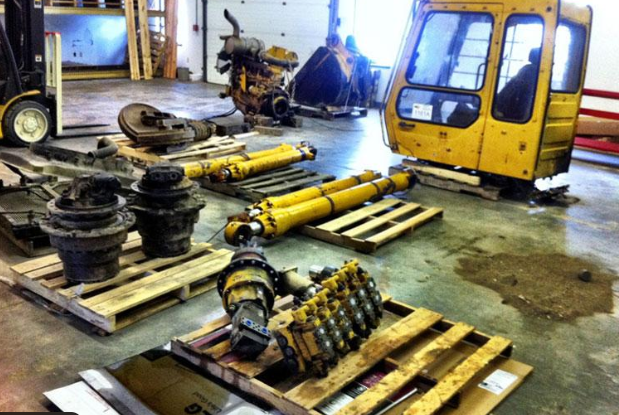
When that happens, the excavator often ends up in a dismantling yard, where it is carefully stripped for reusable parts.
For companies that specialize in used excavator components, dismantling machines provides an incredible opportunity to learn. Every machine tells a story about how it was used, how it was maintained, and what parts survived the longest.
After stripping hundreds of excavators over the years, some clear patterns start to emerge.
Some components fail repeatedly. Some parts surprisingly last almost forever. And occasionally, you discover things inside machines that make you question everything.
Here are some of the most interesting lessons learned from the post-mortem of over 100 excavators.
Lesson 1: Hydraulic Failures Are the Most Common Machine Killers
If there is one system that brings excavators to an early grave more than any other, it’s the hydraulic system.
Hydraulics are the lifeblood of an excavator. Every movement relies on pressurized oil flowing through pumps, valves, hoses, motors, and cylinders.
When that system fails catastrophically, the cost of repair can be enormous.
The most common hydraulic problems found during dismantling include:
destroyed hydraulic pumps
contaminated hydraulic systems
failed travel motors
worn control valves
One of the biggest causes of hydraulic failure is contamination.
When metal particles enter the hydraulic oil, they circulate through the entire system, damaging component after component. In severe cases, repairing the machine would require replacing nearly every hydraulic component.
For many owners, that level of repair simply isn’t financially viable.
Lesson 2: Engines Often Outlive the Machine
One surprising discovery when dismantling excavators is how often the engine is still perfectly usable.
Even when the rest of the machine is worn out, the engine may still have thousands of working hours left.
This happens for several reasons.
Excavator engines are built to extremely high standards. They are designed to operate for long periods under heavy loads while maintaining reliability.
In many cases, the machine itself is retired due to problems elsewhere—such as structural damage or hydraulic failure—while the engine remains healthy.
This is why used excavator engines are among the most valuable components recovered during dismantling.
Lesson 3: Final Drives Take a Beating
Another component that frequently shows signs of severe wear is the final drive.
Final drives are responsible for transferring power from the travel motor to the tracks. They operate under immense stress, especially when machines work on steep terrain, rocky ground, or muddy sites.
During dismantling, technicians often discover:
worn gears
damaged bearings
oil contamination
cracked housings
Poor maintenance is one of the biggest contributors to final drive failure.
Something as simple as low gear oil levels can quickly lead to overheating and gear damage.
Once a final drive begins to fail, the excavator may lose mobility entirely.
Lesson 4: Undercarriages Wear Faster Than Most Owners Expect
If there is one part of an excavator that consistently shows heavy wear, it’s the undercarriage.
The undercarriage supports the full weight of the machine and absorbs the impact of rough terrain every day.
After dismantling many machines, certain patterns become obvious.
Common undercarriage wear includes:
worn track chains
flattened rollers
damaged sprockets
cracked track shoes
Excavators that operate in rocky quarry environments typically show the most severe undercarriage wear.
In contrast, machines working in soft soil or sand often experience slower undercarriage deterioration.
Proper track tension and regular inspections can significantly extend undercarriage life, but many machines arrive in dismantling yards with undercarriages that are completely worn out.
Lesson 5: Electrical Systems Are More Fragile Than People Think
Excavators are increasingly dependent on electronic systems.
Sensors, control modules, and wiring harnesses play a crucial role in modern machines.
However, electrical systems often suffer damage in harsh environments.
During dismantling, technicians frequently encounter:
damaged wiring harnesses
corroded connectors
broken sensors
water-damaged electronic modules
Dust, vibration, heat, and moisture can all take their toll on electrical components.
In some cases, rodents even chew through wiring insulation.
Electrical faults can be frustrating to diagnose because they often appear as intermittent problems rather than obvious failures.
Lesson 6: Boom and Arm Structures Are Incredibly Tough
One of the most impressive discoveries when dismantling excavators is the durability of the boom and arm structures.
These components endure enormous stress during digging operations, yet they often remain structurally sound even after many years of service.
Most damage to booms and arms occurs due to:
accidents
machine rollovers
severe overloading
When properly used and maintained, these structural components can last the entire life of the machine.
As a result, used booms and arms are often highly valuable parts in the secondary market.
Lesson 7: Operator Habits Leave Clear Evidence
Perhaps the most fascinating lesson from dismantling excavators is that operator behavior leaves visible evidence on the machine.
Machines that were well operated and properly maintained typically show:
evenly worn components
clean hydraulic systems
intact wiring
minimal structural damage
In contrast, poorly operated machines often reveal signs of abuse, including:
cracked welds
severely worn buckets
damaged cylinders
overheated hydraulic systems
Two identical excavators with the same number of hours can show completely different levels of wear depending on how they were operated.
Good operators truly make a difference.
Lesson 8: Some Parts Almost Never Fail
Interestingly, there are several components that rarely cause problems.
These parts often remain in excellent condition even when the machine is being dismantled.
Examples include:
counterweights
machine frames
cab structures
certain structural brackets
These components are built extremely strong and are rarely exposed to moving wear surfaces.
As a result, they often outlast most other systems on the machine.
Lesson 9: Every Machine Has a Story
Dismantling excavators can sometimes reveal surprising or unusual discoveries.
Technicians occasionally find things inside machines that make them laugh—or shake their heads.
Examples include:
tools left behind during previous repairs
makeshift wiring fixes
welded structural repairs
strange modifications made in the field
Every excavator that arrives in the yard has its own history.
Some machines show clear signs of careful maintenance. Others look like they survived a war zone.
But each one offers valuable lessons about durability, design, and real-world operating conditions.
Why Excavator Dismantling Matters
Stripping old machines isn’t just about recycling metal.
It plays an important role in the heavy equipment ecosystem.
Dismantling allows usable components to be recovered and reused, which helps:
reduce equipment repair costs
minimize machine downtime
extend the lifespan of other excavators
reduce industrial waste
Instead of sending an entire machine to scrap, its components continue working in other machines.
In many cases, one dismantled excavator can supply parts to keep dozens of others operating.
The Value of Experience
After dismantling many machines, experienced technicians develop a deep understanding of how excavators behave in real working environments.
They learn which components fail most frequently and which parts tend to last the longest.
This knowledge helps parts suppliers provide better advice to contractors looking for replacement components.
It also helps identify high-quality parts that are worth refurbishing and reselling.
Final Thoughts
Every excavator eventually reaches the end of its working life, but that doesn’t mean its story is over.
Through careful dismantling, many of its components can continue working for years in other machines.
The post-mortem of stripped excavators reveals valuable lessons about machine durability, maintenance practices, and real-world operating conditions.
From hydraulic failures and worn undercarriages to surprisingly durable engines and structural components, each machine provides insights that help the industry improve.
And perhaps the most important lesson of all is this:
Even when an excavator dies, its parts can keep the rest of the fleet alive.
#ExcavatorParts#UsedExcavatorParts#Vikfin#ExcavatorMaintenance#ConstructionEquipment#HeavyMachinery#EarthmovingEquipment#HydraulicSystems#HydraulicPump#FinalDrive#DieselEngines#ConstructionIndustry#PlantHire#EquipmentMaintenance#MachineDowntime#ExcavatorRepair#Undercarriage#HeavyEquipment#MachineRecycling#ConstructionSouthAfrica


Comments