


The Anatomy of a Used Excavator: What to Inspect Before Buying Parts

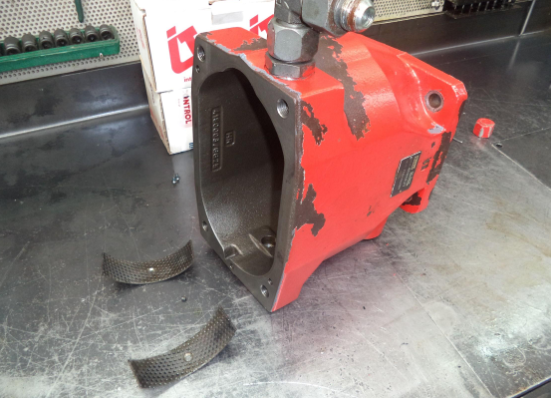
Buying used excavator parts without knowing what to look for is like playing roulette with your business.
Sometimes you win.Most times? You get burned.
Because here’s the truth no one likes to admit:
Not all used parts are created equal—and not all damage is visible.
You might be looking at what seems like a solid component. Clean. Painted. Ready to go.
But under the surface? That’s where the real story lives.
This guide breaks down exactly what to inspect—like a pro—before you hand over your money.
No fluff. No guesswork. Just the stuff that actually matters.
First Rule: Looks Mean Nothing
Let’s kill this myth immediately.
A freshly painted component tells you nothing about its condition.
In fact, sometimes it’s a red flag.
Because:
Paint hides cracks
Cleaning hides leaks
Cosmetic work distracts from internal damage
If you’re judging parts by how “nice” they look, you’re already losing.
1. Undercarriage Components: Where Wear Is Brutal and Honest
The undercarriage is one of the hardest-working parts of any excavator.
And it shows.
What to Check:
Track Chains
Look for stretch and elongation
Check pin and bushing wear
Sprockets
Teeth should be symmetrical
Hooked or sharp teeth = heavy wear
Rollers & Idlers
Flat spots
Oil leaks
Uneven wear
Red Flags:
Excessive play in the chain
Dry joints (no lubrication)
Mismatched wear patterns
👉 Reality: Undercarriage wear is predictable. If it looks bad, it is bad.
2. Hydraulic Cylinders: The Devil Is in the Details
Cylinders might look simple—but they can hide expensive problems.
What to Check:
Rod Condition
Chrome should be smooth and shiny
Look for pitting, rust, or scoring
Seals
Any oil residue around seals? That’s a leak waiting to happen
Straightness
A slightly bent rod = uneven wear and early failure
Red Flags:
Flaking chrome
Deep scratches
Oil buildup around seals
👉 Pro insight: If the rod is damaged, don’t convince yourself it’s “fine.” It’s not.
3. Hydraulic Pumps: The Silent Time Bomb
Hydraulic pumps don’t always show obvious signs of failure.
But when they go? They take everything with them.
What to Check:
Shaft Play
Excess movement = internal wear
Oil Condition
Metallic sheen in oil = contamination
Noise (if tested)
Whining or grinding = trouble
Red Flags:
Evidence of overheating
Dirty or contaminated oil
Unknown history
👉 Hard truth: If you’re unsure about a pump, assume risk—and price it accordingly.
4. Final Drives: Where Small Issues Become Big Problems
Final drives take serious punishment—and failures here aren’t cheap.
What to Check:
Oil Leaks
Around seals and covers
Oil Quality
Check for metal particles
Housing
Cracks or repairs
Red Flags:
Grinding noises
Metal in oil
Previous weld repairs
👉 Reality check: A failing final drive won’t give you much warning before it quits.
5. Engines: The Big Money Component
Engines are where mistakes get expensive fast.
What to Check:
Smoke
Blue = oil burning
Black = fuel issues
White = possible coolant problems
Oil Condition
Milky oil = coolant contamination
Blow-by
Excess pressure from breather = worn internals
Red Flags:
Knocking sounds
Overheating history
Poor maintenance signs
👉 Golden rule: If the engine shows multiple issues, walk away or negotiate hard.
6. Structural Components: The Skeleton of the Machine
Booms, arms, and buckets take massive stress.
And structural damage is often hidden.
What to Check:
Cracks
Especially around stress points
Welds
Clean, professional repairs vs messy patches
Pin Holes
Look for oval shaping (wear)
Red Flags:
Multiple weld repairs in the same area
Visible cracks spreading
Loose pins
👉 Reality: Structural issues don’t get better—they get worse.
The Biggest Mistake: Buying Blind
Here’s where most guys go wrong.
They:
Trust the seller
Skip proper inspection
Rush the decision
And then act surprised when things fail.
Used parts require due diligence.
No shortcuts.
The Smart Buyer’s Checklist
Before you buy any used part, ask:
What’s the history of this component?
Why was it removed?
Has it been tested?
What’s the visible wear telling me?
What’s the worst-case scenario if it fails?
If you don’t have answers, you don’t have certainty.
And uncertainty is expensive.
Why Source Matters More Than Price
You’re not just buying a part.
You’re buying:
The inspection behind it
The honesty of the supplier
The knowledge backing the sale
A cheap part from the wrong source is a gamble.
A quality used part from a trusted supplier? That’s strategy.
The Vikfin Standard: No Guesswork
At Vikfin, we don’t expect you to be an expert in every component.
That’s our job.
We:
Inspect parts properly
Understand wear patterns
Know what’s worth selling—and what isn’t
Because the goal isn’t to move stock.
The goal is to keep your machine running without surprises.
Brutal Truth: If You Don’t Inspect, You Pay
Every shortcut you take during inspection shows up later as:
Downtime
Repairs
Lost money
You either do the work upfront… or you pay for it later.
There’s no middle ground.
Final Word: Buy Smart or Pay Hard
Used excavator parts are a powerful way to save money.
But only if you know what you’re doing.
If you:
Inspect properly
Understand the risks
Source from the right people
You win.
If you don’t?
You’re just rolling the dice.
Next Time You’re About to Buy…
Slow down.
Look deeper.
Ask better questions.
Because the difference between a great deal and a costly mistake is usually what you didn’t check.
Need Parts You Can Trust?
If you’d rather skip the guesswork, Vikfin supplies high-quality used OEM excavator parts that have been properly assessed and are ready to perform.
No surprises. No hidden issues. Just parts that do what they’re supposed to do.


Comments