


The Ultimate Beginner’s Guide to Excavators: Everything You Need to Know
- RALPH COPE

- Jun 19, 2025
- 6 min read
Updated: Jun 20, 2025

Whether you’re breaking ground on a construction site, digging a trench for utilities, clearing land for agriculture, or demolishing an old building, one machine rises above the rest: the excavator. These powerful, versatile machines are the backbone of modern earthmoving and one of the most essential tools in heavy industry.
But what exactly is an excavator? At its simplest, an excavator is a machine designed to dig. But over the decades, it has evolved into a multi-functional workhorse capable of lifting, cutting, crushing, boring, grading, dredging, and even firefighting. Thanks to a growing range of attachments and smarter hydraulic systems, excavators are now found in every sector from construction and mining to forestry and utilities.
Excavators come in many shapes and sizes, each designed for specific jobs and environments. Knowing how to choose the right one — and how to use and maintain it — can be the difference between success and a money pit.
This guide breaks down everything you need to know to get started with excavators: what they are, how they work, what types are out there, how to use them safely, and where the future of excavator tech is heading.
Let’s dig in.
1. Types of Excavators
Excavators come in many configurations, and choosing the right one depends on the job, the terrain, and how tight the workspace is. Here's a breakdown of the most common types:
1.1 Crawler Excavators
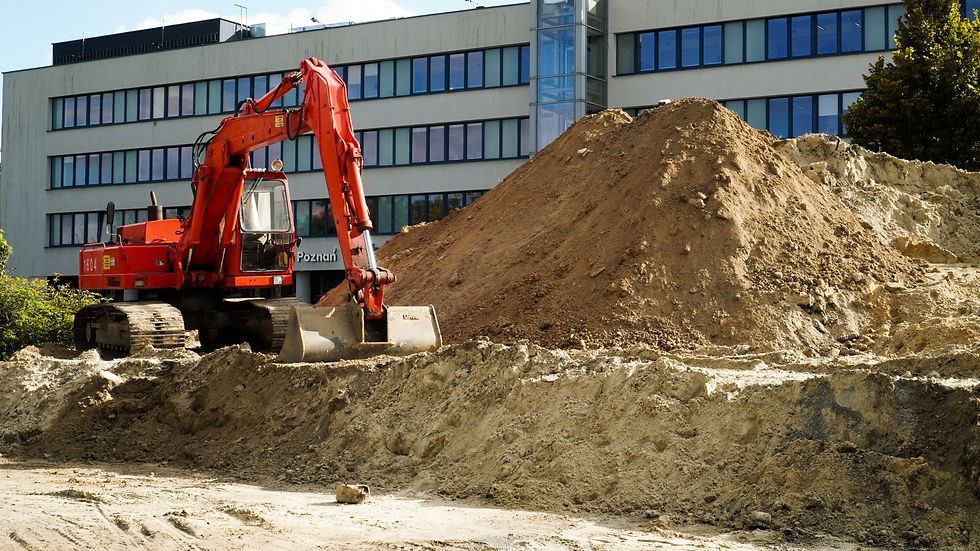
These are the standard tracked machines you’ll see on most construction sites. Powered by hydraulic systems and mounted on tracks rather than wheels, crawler excavators are built for stability and heavy-duty work on uneven terrain.
Use Cases:
Large-scale digging
Demolition
Lifting and placing heavy materials
Forestry work
Pros:
Stable and powerful
Excellent for rough or muddy terrain
Handles larger attachments
Cons:
Slower and less mobile
Higher fuel consumption
1.2 Wheeled Excavators
Same structure as a crawler but mounted on wheels. These are better suited for urban environments and paved surfaces.
Use Cases:
Road construction
Utility work
Municipal projects
Pros:
Faster travel speeds
Less damage to roads and pavement
Cons:
Not ideal for unstable terrain
Slightly less lifting capacity than crawlers
1.3 Mini (Compact) Excavators
Perfect for small spaces and light-duty work. These are often used in residential construction and landscaping.
Use Cases:
Trenching for pipes or cables
Garden and yard work
Small-scale demolition
Pros:
Lightweight and maneuverable
Lower fuel costs
Easier to transport
Cons:
Limited power
Smaller bucket and reach
1.4 Long Reach Excavators
These have extended booms and arms for digging deep or reaching far. They're useful when working on canals, ditches, and demolition from a safe distance.
Use Cases:
Dredging
Riverbank maintenance
High-reach demolition
Pros:
Excellent reach
Safe for unstable structures
Cons:
Reduced lifting capacity
Limited maneuverability
1.5 Dragline Excavators
Huge machines typically used in mining and large-scale civil engineering. They use a system of ropes and chains to operate a bucket that drags materials toward the machine.
Use Cases:
Surface mining
Dams and harbor construction
Pros:
Massive digging depth
Long lifespan
Cons:
Extremely expensive
Requires skilled operators
1.6 Suction Excavators
Also known as vacuum excavators, these use high-powered suction to remove soil and debris.
Use Cases:
Underground utility location
Tree root preservation
Fiber optic cable installation
Pros:
Minimal surface damage
Precise and non-destructive
Cons:
Limited to soft materials
Lower capacity than traditional digging
1.7 Skid Steer Excavators
These are skid steers fitted with excavator arms. Highly maneuverable and perfect for tight spots, they’re often used in utility work and construction.
Pros:
Very compact
Compatible with lots of attachments
Cons:
Limited digging depth
Less stable than full-size excavators
1.8 Amphibious Excavators
Designed for swampy and water-logged conditions, they float on pontoons and are used in wetlands or dredging applications.
2. Anatomy of an Excavator
Understanding what makes up an excavator helps with operation, maintenance, and troubleshooting.
2.1 Upper Structure
This is the part that houses the cab, engine, and counterweight. It rotates 360 degrees on the undercarriage.
Cab: Operator’s station — usually climate-controlled with joysticks and monitors.
Engine: Most excavators run on diesel engines.
Counterweight: Keeps the machine balanced during lifting and digging.
2.2 Undercarriage
Made up of tracks or wheels, drive motors, rollers, and sprockets. The undercarriage determines the machine’s mobility and terrain handling.
Tracks (steel or rubber): Better for rough or muddy conditions.
Wheels: Ideal for hard, flat surfaces.
2.3 Boom, Arm, and Bucket
Boom: Main lifting structure
Arm (Stick): Connects boom to the bucket
Bucket: Comes in various shapes and sizes depending on the job
Hydraulic cylinders power the movement of each part.
2.4 Hydraulic System
The heart of the excavator. Pressurized hydraulic fluid powers movement, lifting, and attachment control. Key components:
Pumps
Cylinders
Valves
Filters
Reservoirs
2.5 Control Systems
Modern excavators have sophisticated control systems including:
Joysticks for movement
Pedals for track control
Onboard diagnostics
GPS/telematics integration
3. Common Excavator Attachments
An excavator is only as good as its attachments. These tools turn one machine into a multi-tool.
3.1 Buckets
Standard Bucket: For general digging
Trenching Bucket: Narrower for utility trenches
Rock Bucket: Reinforced for heavy-duty jobs
Ditch Cleaning Bucket: Wide and smooth-edged
3.2 Hydraulic Breakers
Used for breaking up concrete or rock. High-impact hammers powered by hydraulics.
3.3 Augers
Drill holes for posts, poles, and foundations. Available in different sizes.
3.4 Grapples
Used for sorting, picking, and moving debris, logs, or scrap.
3.5 Rippers
Heavy-duty claw-like tools to break up hard soil or rock.
3.6 Tiltrotators
Allow 360° rotation and tilting of the attachment. Increases precision and efficiency.
3.7 Quick Couplers
Let you switch attachments without leaving the cab. Saves time and increases productivity.
3.8 Thumbs
Hydraulic or mechanical grips to hold objects against the bucket — essential for demolition and material handling.
4. Key Excavator Brands
4.1 Caterpillar (CAT)
Industry leader. Known for durability, resale value, and support network.
4.2 Komatsu
Japanese giant with solid machines and innovative tech.
4.3 Volvo
Strong on comfort, design, and environmental performance.
4.4 Hitachi
Great for mining and large-scale digging.
4.5 Doosan
Affordable and rugged, popular in developing markets.
4.6 Hyundai
Competitive pricing, solid after-sales service.
4.7 JCB
UK brand known for backhoe loaders and compact excavators.
4.8 Kobelco
Focused on fuel efficiency and noise reduction.
4.9 Liebherr
Excellent for heavy-duty and mining operations.
4.10 SANY
Fast-growing Chinese manufacturer with strong global footprint.
5. How to Choose the Right Excavator
Choosing wrong costs time and money. Here's what to look at:
5.1 Project Requirements
Digging depth
Terrain
Space constraints
Material to be moved
5.2 Size and Weight
Mini: Under 6 tons
Mid-size: 6–25 tons
Large: 25+ tons
5.3 Hydraulic Capabilities
Check flow and pressure ratings for attachment compatibility.
5.4 Attachments Compatibility
What tools will you need? Make sure the excavator supports them.
5.5 Budget
Don’t just look at upfront cost — consider fuel, maintenance, and resale value.
5.6 New vs. Used
Used saves money, but comes with risk. Always inspect and request service history.
5.7 Rent vs. Buy
Rent if it’s a short-term or one-off project
Buy for regular use or specialized tasks
6. Operating an Excavator (Basic Guide)
6.1 Pre-Operation Checks
Walkaround inspection
Check hydraulic fluid, coolant, and fuel
Test lights, alarms, and horn
Inspect attachments and hoses
6.2 Starting the Machine
Climb in using three-point contact
Fasten seatbelt
Start the engine and let it warm up
Test controls before engaging in full operation
6.3 Basic Controls
Joysticks control boom, arm, and bucket
Foot pedals control tracks
Use slow, smooth movements — no jerking
6.4 Digging Tips
Always dig away from the machine
Start with the boom high and arm extended
Don’t overload the bucket
Keep spoil piles low and to the side
6.5 Safety
Always operate on level ground
Never swing over people or vehicles
Avoid working near drop-offs or trenches
Watch out for overhead lines
7. Maintenance and Troubleshooting
7.1 Daily Inspections
Look for leaks
Check track tension
Inspect hoses and fittings
Grease joints regularly
7.2 Scheduled Maintenance
Follow the manufacturer’s schedule for:
Engine oil changes
Filter replacements
Hydraulic fluid changes
Undercarriage servicing
7.3 Common Issues
Leaks: Usually hose or seal-related
Power Loss: Could be hydraulic or engine-related
Overheating: Often coolant or airflow issues
Slow Movements: Check pump pressure
7.4 Keep Records
Log every inspection and repair. Helps with resale and warranty claims.
8. Legal and Safety Considerations
8.1 Licensing and Certification
In many countries, operators need certification
South Africa: Compliance with Occupational Health and Safety (OHS) Act
8.2 Site Safety
Establish zones for movement
Use spotters when visibility is limited
Set up signage and barriers
8.3 PPE
Operators should wear:
Hard hat
High-visibility clothing
Steel-toe boots
Gloves and safety glasses
8.4 Weight and Load Limits
Stick to rated capacity. Overloading risks tipping and structural failure.
9. The Future of Excavators
Excavators are going smarter, greener, and more efficient.
9.1 Electric Excavators
Zero emissions
Quieter operation
Perfect for urban or indoor use
9.2 Automation and Remote Control
GPS-guided excavation
Operator-assist functions
Remote monitoring
9.3 Telematics
Real-time data on:
Fuel use
Maintenance alerts
Machine location
9.4 Sustainability
Bio-based hydraulic fluids
Recyclable materials
Lower carbon footprints
Conclusion
Excavators aren’t just big digging machines — they’re versatile, intelligent tools that have become essential to nearly every heavy industry on the planet. Understanding how they work, what attachments they use, and how to choose and operate them responsibly can make or break your project’s success.
Whether you're a contractor, project manager, operator, or just someone curious about earthmoving machinery, this guide should give you a strong foundation. The world of excavators is always evolving — and there's always more to learn.
So climb in, fire it up, and get digging.


Comments