


The Ultimate Guide to Excavator Pins and Bushings: Small Parts, Massive Impact
- RALPH COPE

- Aug 11, 2025
- 5 min read
Updated: Aug 23, 2025
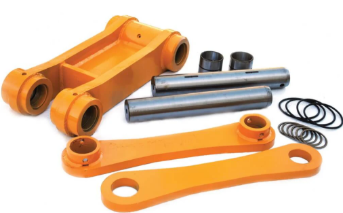
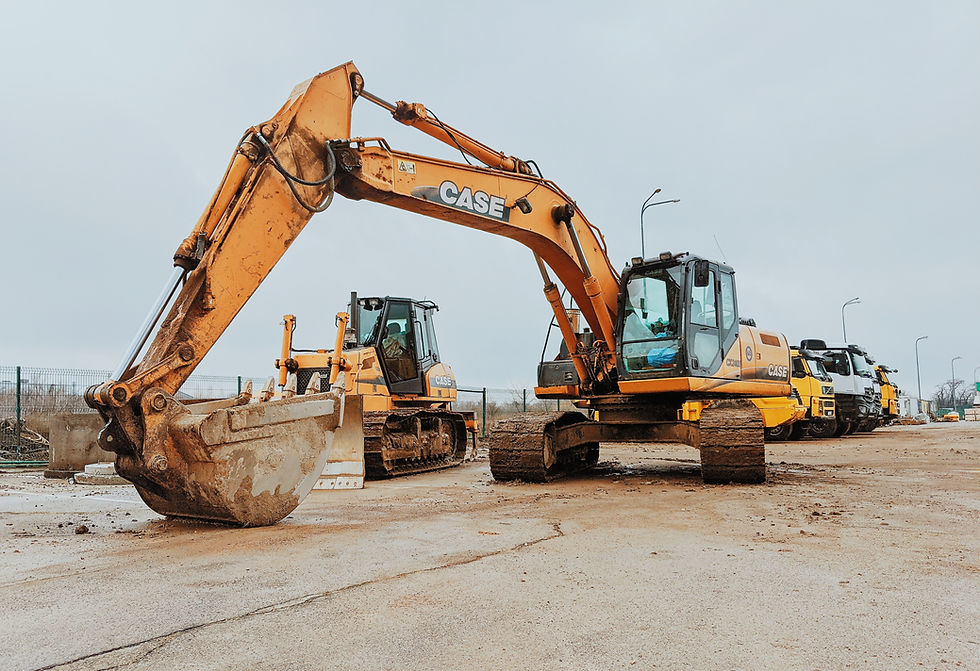
When people think about excavators, they picture the big-ticket items: the massive boom, the powerful engine, the hydraulic system that moves thousands of kilos like it’s nothing.
But here’s a little secret from anyone who’s been in heavy machinery long enough: sometimes the smallest parts make the biggest difference.
Pins and bushings might be cheap compared to engines or hydraulic pumps, but when they’re worn out, your excavator’s performance, safety, and even structural integrity take a hit. They’re the pivot points that keep your machine moving — and when they go bad, it’s like a bad knee in an athlete. The whole game changes.
In this guide, we’re breaking down why pins and bushings are critical, how to tell when they’re worn, and how replacing them can save you thousands in repairs and downtime.
1. What Pins and Bushings Actually Do
Every moving part on your excavator’s boom, arm, and bucket connects with pins and bushings. They:
Provide pivot points for smooth movement
Spread the load so force isn’t concentrated on a single spot
Protect structural components from metal-on-metal wear
Bushings are the sacrificial wear parts, taking the brunt of friction so your more expensive components (like the boom or arm ends) don’t wear out.
2. Why They Wear Out
Pins and bushings face a tough life:
Constant heavy loads
High-friction movement
Dust, grit, and moisture infiltration
Hydraulic shock forces from digging, lifting, and loading
Even with proper greasing, wear is inevitable — especially in high-hour machines working in abrasive conditions like quarrying or mining.
3. The Cost of Ignoring Wear
If you let worn pins and bushings go too long, problems start stacking up fast:
Increased movement play → bucket control suffers
Misalignment → faster wear on other components
Structural stress → cracks in the boom or arm ends
Hydraulic inefficiency → loss of breakout force
Worst-case scenario? You end up replacing the entire boom or arm end — a bill that makes a set of pins and bushings look dirt cheap.
4. How to Spot Worn Pins and Bushings
Regular inspection is key. Watch for:
Excessive “slop” or play in bucket movement
Uneven wear patterns
Visible scoring or grooves
Rusty or dry pivot points
A knocking sound when moving the boom or bucket
If you’re not sure, have an experienced technician measure the pin and bushing clearances with the right gauges.
5. Grease: Your First Line of Defense
Lubrication isn’t optional — it’s essential. Grease:
Reduces friction
Creates a barrier against grit and water
Helps flush out contaminants
But here’s the trick: greasing regularly. In dusty conditions, that might mean multiple times a day. Skipping grease sessions shortens bushing life dramatically.
6. OEM vs. Aftermarket Pins and Bushings
When replacing, you’ve got options:
OEM (Original Equipment Manufacturer): Designed specifically for your machine model, guaranteed fit, usually higher price.
Aftermarket: Often cheaper, quality varies, may require minor fitting adjustments.
At Vikfin, we supply tested OEM used parts when possible — so you get factory-level fit and durability at a fraction of the cost.
7. The Role of Hardened Steel
Good pins and bushings aren’t just regular steel. They’re made from hardened alloys to resist wear. Cutting corners here means shorter service life and more frequent replacements.
8. How Often Should You Replace Them?
There’s no fixed schedule — replacement depends on:
Operating hours
Job site conditions
Maintenance habits
Machine size and workload
A well-maintained excavator might go thousands of hours before needing replacement. A neglected one in a harsh environment? Just a few hundred.
9. The Replacement Process
Replacing pins and bushings is straightforward but labour-intensive:
Support the boom or arm safely
Remove retaining bolts or keepers
Drive out old pins (sometimes with a hydraulic press)
Extract worn bushings (cutting may be required)
Press in new bushings
Grease thoroughly before inserting new pins
Secure with new retainers
While it’s possible to DIY with the right tools, many operators prefer a workshop job — especially for larger pins.
10. The Risk of Cheap or Unmatched Parts
Installing the wrong size pin or low-grade bushing can lead to:
Faster wear
Loose fits that worsen over time
Increased structural strain
Always match specs to the manufacturer’s recommendations — or let a supplier like Vikfin verify the correct part numbers for you.
11. The Domino Effect of Wear
One worn set of pins can cause excessive strain on the next pivot point in the chain. That’s why it’s smart to inspect and replace all related pivot points at the same time — especially in high-hour rebuilds.
12. How to Extend Pin & Bushing Life
Daily greasing in harsh environments
Avoid using the bucket as a ram or hammer
Keep pivot points clean of built-up material
Use high-quality grease designed for extreme pressure
Rotate buckets and attachments carefully, avoiding side loads
13. Upgrades: Sealed & Self-Lubricating Bushings
Modern sealed bushings reduce contamination and extend service intervals. Some are even self-lubricating — ideal for machines in remote or extreme environments where daily greasing is a challenge.
14. The Vikfin Approach
We stock a wide range of OEM used and aftermarket pins and bushings for major brands:
Caterpillar
Komatsu
Volvo
Hyundai
Doosan
Hitachi
Every part is checked for proper dimensions, hardness, and fit before it reaches the customer.
15. Cost vs. Downtime
Replacing pins and bushings might cost a few thousand rand. Letting them wear until they damage the boom or arm? That’s tens or even hundreds of thousands — plus the cost of weeks of downtime.
16. Signs It’s Too Late for Just Pins & Bushings
If the bore where the bushing sits is oval-shaped or cracked, you’ll need line boring — a process where a specialist restores the bore to its original dimensions. This adds cost, but it’s still cheaper than replacing the whole structure.
17. Why Attachment Changes Matter
Switching between buckets, rippers, and hammers changes the type of forces your pins and bushings face. Some attachments cause far more shock loading — which means more frequent inspections are critical.
18. The Environmental Factor
Sand, grit, mud, and even salty coastal air accelerate wear. Machines working in these environments need more aggressive lubrication schedules and more frequent part replacements.
19. Safety First
Loose pins can actually work their way out under vibration, especially in high-impact work. A lost pin during operation can cause serious accidents, damage, or injury.
20. Final Word: Don’t Ignore the Little Things
Pins and bushings might seem like minor parts in the grand scheme of your excavator, but they’re at the heart of every movement your machine makes. Keep them in good shape, and your excavator will reward you with smoother operation, longer component life, and fewer costly repairs.
At Vikfin, we’re here to supply the right pins and bushings for your machine, backed by expertise and fast turnaround.


Comments