


Excavator Fires: The Warning Signs Most Owners Miss
- RALPH COPE

- Jul 8
- 5 min read
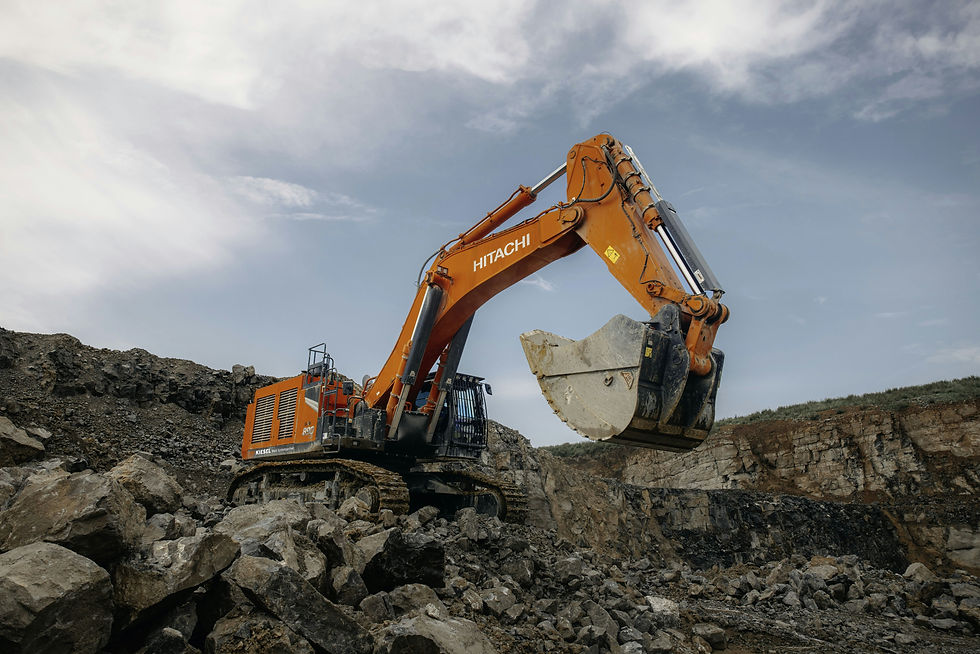
Few things are more terrifying on a construction site than watching an excavator catch fire.
One moment the machine is working normally.
The next, smoke is pouring from the engine compartment, flames are spreading through hydraulic hoses and wiring looms, and operators are scrambling to find fire extinguishers.
Within minutes, a machine worth millions of rand can be reduced to a charred skeleton of twisted steel.
While excavator fires are relatively uncommon compared to other types of breakdowns, when they do occur, the consequences are often catastrophic. Beyond the loss of the machine itself, fires can cause injuries, project delays, environmental damage, insurance claims, and significant financial losses.
At Vikfin, we regularly inspect excavators that have suffered fire damage, and one fact becomes clear time and time again: most excavator fires give warning signs long before the flames appear.
The problem is that many owners and operators either fail to recognize those signs or underestimate their seriousness.
Understanding what causes excavator fires and knowing what to look for could save your machine—and possibly your life.
How Common Are Excavator Fires?
Most operators never expect their machine to catch fire.
After all, excavators are built from steel and designed to operate in tough environments.
However, modern excavators contain all three ingredients required for fire:
Fuel
Heat
Oxygen
In addition, they contain large quantities of:
Hydraulic oil
Engine oil
Grease
Plastic components
Rubber hoses
Electrical wiring
When these materials come into contact with ignition sources, fires can develop rapidly.
Why Excavator Fires Spread So Quickly
Once a fire begins inside an excavator, it often spreads faster than people expect.
This is because engine compartments are densely packed with:
Hydraulic hoses
Fuel lines
Wiring harnesses
Filters
Plastic covers
Insulation materials
As temperatures rise:
Hydraulic hoses burst
Fuel lines fail
Plastic components melt
Additional flammable materials become exposed
A small fire can become a total machine loss within minutes.
Warning Sign #1: Hydraulic Oil Leaks
One of the most common causes of excavator fires is hydraulic oil leaking onto hot engine components.
Hydraulic oil itself is not highly flammable under normal conditions.
However, when sprayed under pressure onto:
Turbochargers
Exhaust manifolds
Engine blocks
it can ignite.
Common leak sources include:
Damaged hoses
Loose fittings
Cracked pipes
Worn seals
Many operators notice small leaks but continue working because the machine remains functional.
This can be an extremely expensive mistake.
What to Watch For
Oil dripping beneath the machine
Wet hydraulic hoses
Oil residue around fittings
Reduced hydraulic oil levels
Even a small leak deserves immediate attention.
Warning Sign #2: Fuel Leaks
Diesel fuel is less volatile than petrol, but it can still ignite under the right conditions.
Fuel leaks often develop from:
Damaged fuel lines
Worn hose connections
Corroded fittings
Faulty fuel pumps
Leaking fuel may accumulate in engine compartments or spray onto hot surfaces.
Once ignition occurs, the fire can spread rapidly.
What to Watch For
Diesel smells around the machine
Visible fuel stains
Wet fuel lines
Unexpected fuel consumption increases
Fuel leaks should never be ignored.
Warning Sign #3: Electrical Problems
Electrical faults are becoming a leading cause of excavator fires.
Modern excavators contain kilometres of wiring and numerous electronic components.
Over time, wiring can suffer from:
Abrasion
Heat damage
Corrosion
Rodent damage
Improper repairs
Damaged wiring can create:
Short circuits
Arcing
Overheating
These conditions can ignite nearby combustible materials.
What to Watch For
Burning smells
Blown fuses
Flickering displays
Intermittent electrical faults
Melted insulation
Electrical issues should always be investigated promptly.
Warning Sign #4: Debris Accumulation
Many owners underestimate how dangerous accumulated debris can be.
Excavators often collect:
Dry grass
Leaves
Paper
Wood chips
Dust
Oil-soaked dirt
These materials frequently gather around:
Engine compartments
Cooling systems
Exhaust components
When exposed to sufficient heat, they can ignite.
This risk is particularly high in forestry, agriculture, and demolition environments.
What to Watch For
Excessive dirt build-up
Dry vegetation near hot components
Debris trapped around radiators
Regular cleaning significantly reduces fire risk.
Warning Sign #5: Overheating Engines
Heat is one of the essential ingredients of fire.
An overheating engine increases the likelihood of ignition.
Common causes include:
Blocked radiators
Coolant leaks
Failed thermostats
Faulty water pumps
Dirty cooling systems
As temperatures rise, nearby materials become increasingly vulnerable.
What to Watch For
Rising coolant temperatures
Frequent overheating alarms
Steam from the engine compartment
Reduced cooling performance
Ignoring overheating warnings can have serious consequences.
Warning Sign #6: Turbocharger Problems
Turbochargers operate at extremely high temperatures.
During heavy operation, exhaust temperatures can exceed several hundred degrees Celsius.
If oil leaks develop around the turbocharger, ignition becomes possible.
Turbocharger-related fire risks increase when:
Oil seals fail
Maintenance is neglected
Leaks go unnoticed
What to Watch For
Oil residue around the turbo
Excessive exhaust smoke
Burning oil smells
Reduced engine performance
Regular inspections are essential.
Warning Sign #7: Battery and Charging System Issues
Batteries are often overlooked as fire hazards.
However, faulty batteries and charging systems can create:
Sparks
Overheating
Electrical shorts
Potential causes include:
Loose terminals
Damaged cables
Faulty alternators
Poor maintenance
What to Watch For
Corroded battery terminals
Swollen batteries
Charging system warnings
Hot battery cables
Electrical fires often begin in these areas.
Warning Sign #8: Neglected Maintenance
Perhaps the greatest fire risk of all is poor maintenance.
Many excavator fires result not from a single catastrophic failure but from a combination of small neglected issues.
Examples include:
Minor hydraulic leaks
Dirty engine compartments
Damaged wiring
Faulty sensors
Cooling system problems
Individually, these issues may appear insignificant.
Together, they can create the perfect conditions for a fire.
Why Newer Excavators Are Not Immune
Many people assume that newer excavators are safer.
While modern machines often include improved safety systems, they also contain:
More electronics
More wiring
More sensors
More emissions components
This increased complexity creates additional potential failure points.
Fire prevention remains important regardless of machine age.
What To Do If an Excavator Catches Fire
If a fire occurs:
1. Shut Down the Machine
Turn off the engine immediately if it is safe to do so.
2. Evacuate the Operator
Personal safety always comes first.
3. Use the Correct Fire Extinguisher
Appropriate extinguishers should always be available on site.
4. Call Emergency Services if Necessary
Large fires can spread rapidly.
5. Never Open Panels Carelessly
Introducing oxygen can intensify the fire.
Training operators on emergency procedures is essential.
Fire Prevention Checklist
Daily inspections should include:
✓ Check hydraulic hoses
✓ Inspect fuel lines
✓ Look for oil leaks
✓ Examine wiring harnesses
✓ Remove accumulated debris
✓ Monitor cooling system performance
✓ Check battery condition
✓ Investigate warning lights immediately
This simple routine can dramatically reduce fire risk.
The Real Cost of an Excavator Fire
The obvious cost is the machine itself.
However, secondary costs often exceed expectations.
These may include:
Project delays
Lost productivity
Rental replacement costs
Insurance excess payments
Environmental cleanup
Contract penalties
In some cases, a fire can impact an entire project schedule.
The financial consequences can be enormous.
The Vikfin Perspective
At Vikfin, we have seen excavators that suffered everything from minor fire damage to complete destruction.
In many cases, the root cause was surprisingly simple:
A leaking hose
A damaged wire
An overheating engine
Accumulated debris
The warning signs existed.
They simply weren't addressed in time.
The most effective fire prevention strategy is not sophisticated technology.
It is disciplined inspection and maintenance.
Owners who identify problems early dramatically reduce the likelihood of experiencing a catastrophic fire.
Final Thoughts
Excavator fires may be rare compared to other equipment failures, but their consequences are often devastating.
The good news is that most fires are preventable.
Hydraulic leaks, fuel leaks, damaged wiring, overheating, debris accumulation, and neglected maintenance rarely appear without warning.
The key is recognizing the signs and acting quickly.
A few minutes spent inspecting a machine each day can prevent a disaster that could cost millions of rand.
The next time you walk around your excavator before starting work, pay attention to what the machine is telling you.
That small leak or unusual smell may not seem important today.
But it could be the warning sign that saves your excavator tomorrow.
#Vikfin #ExcavatorMaintenance #ExcavatorFires #HeavyEquipment #ConstructionEquipment #MiningEquipment #HydraulicSystems #DieselEngines #EquipmentSafety #FleetManagement #PlantHire #EarthmovingEquipment #PreventiveMaintenance #HeavyMachinery #ConstructionIndustry #MachineReliability #EquipmentManagement #FirePrevention #ExcavatorOwners #MachineDowntime


Comments